
Concrete Walls & Columns Colorado
Self Performed Walls & Columns Start to Finish
Walls and columns are where a concrete package either holds the schedule together or quietly pulls it apart. Everything above them waits on the pour. Every embed, sleeve, and block out has to land the first time, because correcting a misplaced anchor in a structural wall is not a punch list item, it is a change order and a week you do not have. Baker Concrete Solutions self-performs commercial concrete walls and columns throughout Colorado. Layout, formwork, reinforcing, embeds, placement, stripping, patching, and finish are handled by our own crews and our own forming inventory. That matters on a jobsite for a plain reason: when the wall package is one company's responsibility from survey control to strip, there is nobody to point at when a line is off, and there is nobody to wait on when the schedule moves up. We work directly with general contractors, structural engineers, and architects from budget stage forward. Send us drawings and we will tell you what we see, including the parts that are going to be difficult.
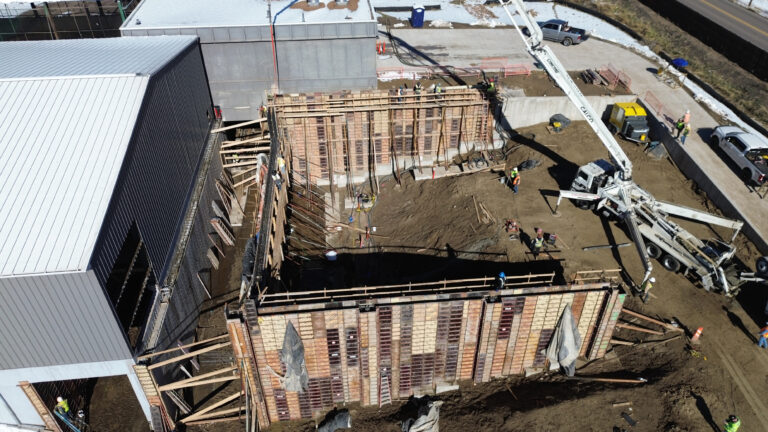
Concrete Walls
- Structural and bearing walls
- Foundation walls, stem walls, and grade beams
- Shear walls and lateral force-resisting elements
- Elevator shafts and stair cores
- Cast-in-place retaining walls
- Loading dock walls, ramp walls, pit walls
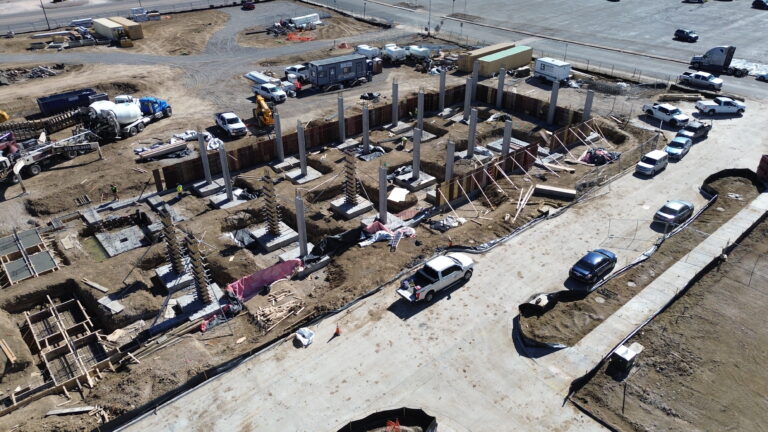
Columns
- Square and rectangular structural columns
- Round columns, formed to finish
- Podium and transfer columns
- Pilasters, pedestals, and pier caps
- Column encasements and fireproofing encasements
- Architectural exposed columns with chamfer, reveal, and finish
We use proven construction methods, quality materials, and skilled workmanship to deliver concrete surfaces that perform reliably for years.
Our Formwork Services
Formwork at its best
A finished wall is only as good as the form it was poured into. Forms carry enormous lateral pressure, and they either hold line and plumb under it or they do not, no amount of patching afterward hides a form that moved. So, we treat forming as the engineering problem it is, not as setup work before the real pour